
In Toto Ed
A Dhiverse Visit
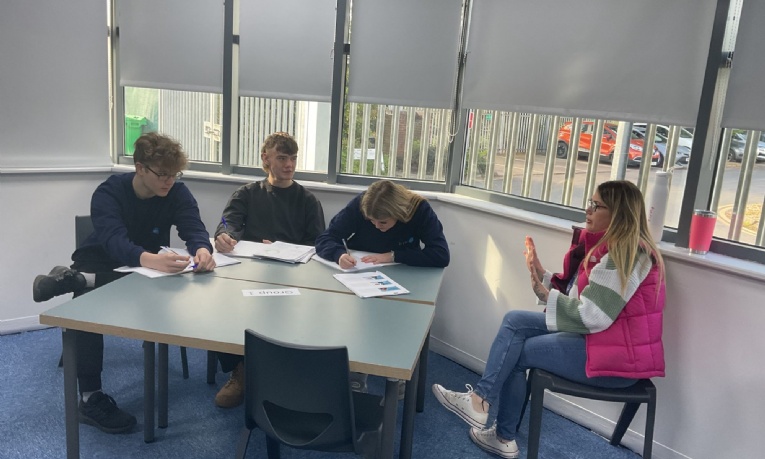
This has been a busy half term and engaging period in PSHE, with a strong focus on relationships and personal development.
We began the term with an external visit from Dhiverse, an organisation dedicated to providing inclusive education and support around relationships, sexual health and wellbeing, and sexual rights and responsibilities. Louisa led an interactive workshop where students were highly engaged, asking thoughtful questions and contributing to meaningful discussions around relationships and consent.
Students explored what makes a healthy relationship, identifying key qualities such as respect, kindness, boundaries, choice, trust, and honesty. They also examined what unhealthy or abusive behaviours can look like, including control, pressure, put-downs, isolation, secrecy, and physical or sexual harm.
A significant part of the learning focused on consent. Students considered the legal aspects, what consent means, and how it can be communicated clearly. They discussed the importance of capacity, freedom, and choice, and recognised that consent is not only expressed through words but also through body language and tone. For example, if someone withdraws, becomes quiet, or appears unsure, it may indicate they are not fully comfortable.
These sessions prompted mature and respectful discussions, with students demonstrating a thoughtful approach and asking insightful, relevant questions.
Building on this, students explored stereotypes, including those related to gender, culture, ethnicity, and age. They reflected on how stereotypes have evolved over time, from the 1960s and 1970s through to the 2000s, and how changing social attitudes have influenced modern British society, including the evolution of comedy and media.
This topic encouraged lively discussion about how life in Britain has changed, why perceptions continue to shift, and the impact of these changes on individuals and communities.
Overall, it has been a highly successful term in PSHE, providing students with the opportunity to express their views openly, reflect on their experiences, and develop a deeper understanding of the world around them.