
In Toto Ed
Autumn English update
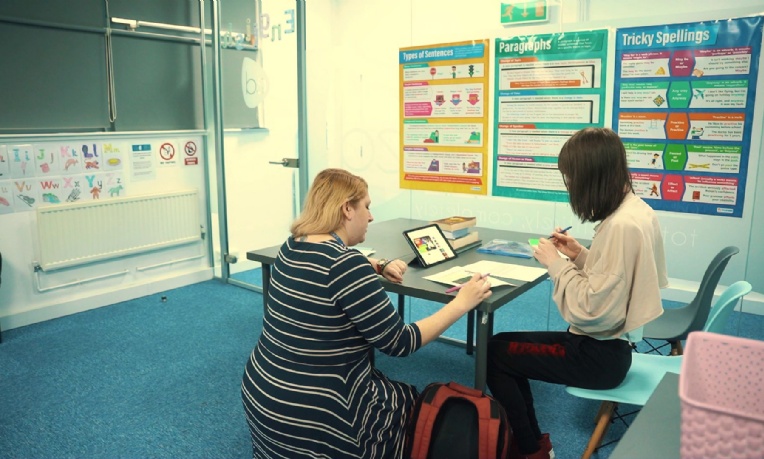
This term in English, students across all levels have been strengthening their reading, writing and communication skills through purposeful, real-world learning.
Functional Skills
This term in Functional Skills English, students have been developing the practical communication skills they need for everyday life, study, and work. We have focused on improving reading, writing, speaking and listening through a range of real-world tasks.
Reading:
- Practised identifying key information in texts such as articles, letters, adverts and instructions.
- Worked on understanding tone, purpose and viewpoint.
- Built confidence in comparing different types of texts.
Writing:
- Developed skills in planning, drafting and editing.
- Wrote clear, structured pieces such letters.
- Focused on spelling, punctuation and grammar to improve accuracy and clarity.
Speaking & listening:
- Took part in group discussions and developed presentations.
- Practised expressing ideas clearly and listening actively to others.
- Built confidence in communicating in everyday situations.
Students have shown great progress and increasing confidence in using English in practical, meaningful ways. We look forward to continuing this development next term.
GCSE English Language
What students are studying:
- Reading skills: Analysing fiction and non-fiction texts, identifying writers’ methods, and evaluating viewpoints.
- Writing skills: Crafting descriptive, narrative, and persuasive pieces with accuracy, creativity, and impact.
- Spoken language: Developing confidence in presenting ideas clearly and engaging an audience.
- Exam practice: Preparing for unseen texts and timed responses, a key part of the final assessment.
- Speaking endorsement: Presentations will be assessed for clarity, organisation, and delivery.
Why it matters:
- Builds communication skills essential for all subjects and future careers.
- Encourages critical thinking and the ability to interpret information in everyday life.
- Strengthens writing accuracy and creativity, vital for success in exams and beyond.
Upcoming assessments:
- Mock exams: Students will sit practice papers covering both reading and writing components.
How parents can support
- Encourage reading: Newspapers, magazines, and novels all help broaden vocabulary and analytical skills.
- Discuss ideas: Talk about current events or stories—ask your child how language shapes meaning.
- Practise writing: Short tasks like writing a letter, article, or description can sharpen skills.
- Provide feedback: Reading their work aloud together helps spot areas for improvement.
- Stay connected: Teachers are happy to share strategies and resources to support learning at home.
Spotlight: Exam Tip of the Month
Plan before you write. Even a quick outline of structure and key points can make essays clearer and more focused.
A-level English Literature
What students are studying:
- Core texts: Students are exploring Bronte’s Wuthering Heights and du Maurier’s Rebecca.
- Themes: Key areas include identity, power, love, conflict, justice, and social change.
- Skills: Critical analysis, essay writing, and applying literary theory.
Why it matters
- Builds communication skills essential for university and careers.
- Encourages independent thinking and the ability to form evidence-based arguments.
- Develops cultural awareness by engaging with diverse voices across history.
Upcoming assessments
- Mock exams: Scheduled for early spring term, focusing on essay structure and close reading.
- Coursework: Students will produce an independent comparative essay, choosing texts that inspire them.
How parents can support
- Encourage reading: Ask your child about the texts they’re studying and show interest in their interpretations.
- Discuss ideas: Simple conversations about themes like justice, love, or freedom help sharpen their thinking.
- Provide space and time: Quiet study environments and regular routines make revision more effective.
- Stay informed: Teachers are always happy to share guidance – don’t hesitate to reach out.
Spotlight: Quote of the Month
“We are such stuff as dreams are made on; and our little life is rounded with a sleep.”
– Shakespeare, The Tempest
This reminds students that literature connects timeless human experiences with today’s world.
A-level English Language
What students are studying
- Language analysis: Exploring how writers and speakers use language to influence audiences.
- Language diversity & change: Studying regional dialects, sociolects, and how English has evolved over time.
- Original writing: Crafting creative and persuasive texts, often linked to real-world contexts such as journalism or speechwriting.
Why it matters
- Develops critical thinking and the ability to evaluate communication in everyday life.
- Strengthens writing and speaking skills, essential for university, careers, and beyond.
- Encourages awareness of social and cultural issues through the study of language in context.
Upcoming assessments
-
Mock Exams: Focus on textual analysis and essay writing.
How parents can support
- Encourage discussion: Talk with your child about how language is used in news, advertising, or social media.
- Share resources: Articles, podcasts, or documentaries on language and communication can spark ideas.
- Provide feedback: Reading their essays or creative writing drafts and offering constructive comments helps build confidence.
- Stay connected: Teachers are available to guide parents on how best to support at home.
Spotlight: Language in the real world
Did you know? Text messaging and social media have created new forms of English, often blending speech-like patterns with written conventions. Students explore how these changes reflect wider cultural shifts.